 Newsletter
Research notes, field reports, and essays at the frontier.

Fifty agents argue on behalf of species, biomes, and climate systems—and win two tracks at PL Genesis.
Regen Atlas took first place in two tracks at PL_Genesis. Inside the interspecies parliament we built—where species, biomes, climate systems, and economic models argue over bioregional proposals.
[ Read → ]
The agent payments stack treats compute as locationless—and the mispricing is the largest unclaimed opportunity in the space.
When swarms meet geography. The agent payments stack treats compute as locationless — and the mispricing is the largest unclaimed opportunity in technology today.
[ Read → ]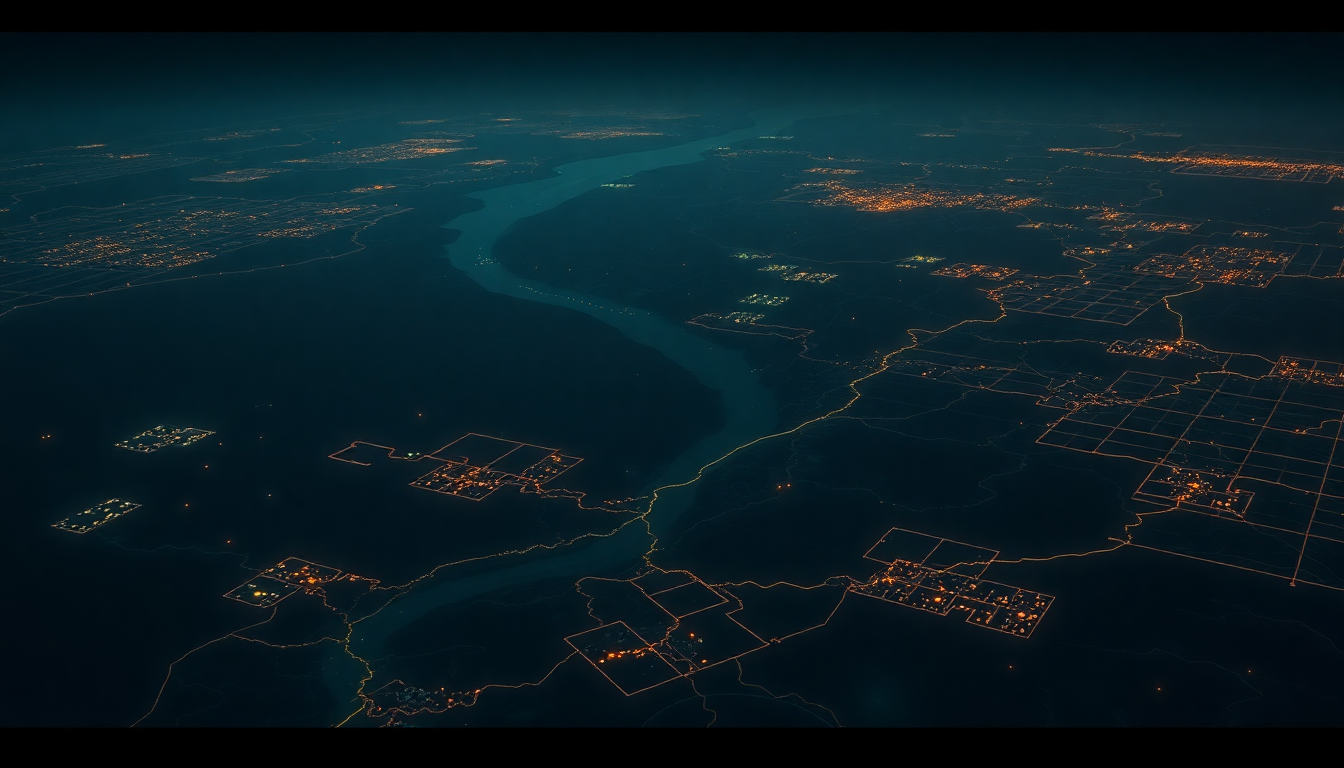
The missing shared substrate that keeps geospatial science from compounding.
One discipline built a commons. Place never did. On the institutional failure behind the missing compositional layer for place-specific knowledge.
[ Read → ]
Why the surface an agent acts through shapes what it is capable of thinking.
Intelligence as a function of interface legibility. Governance implications for AI regulation and natural capital accounting.
[ Read → ]
Mapping institutional design primitives onto the coordination failures already appearing in deployed multi-agent systems.
Mapping governance mechanisms, failure modes, and design gaps for multi-agent AI systems.
[ Read → ]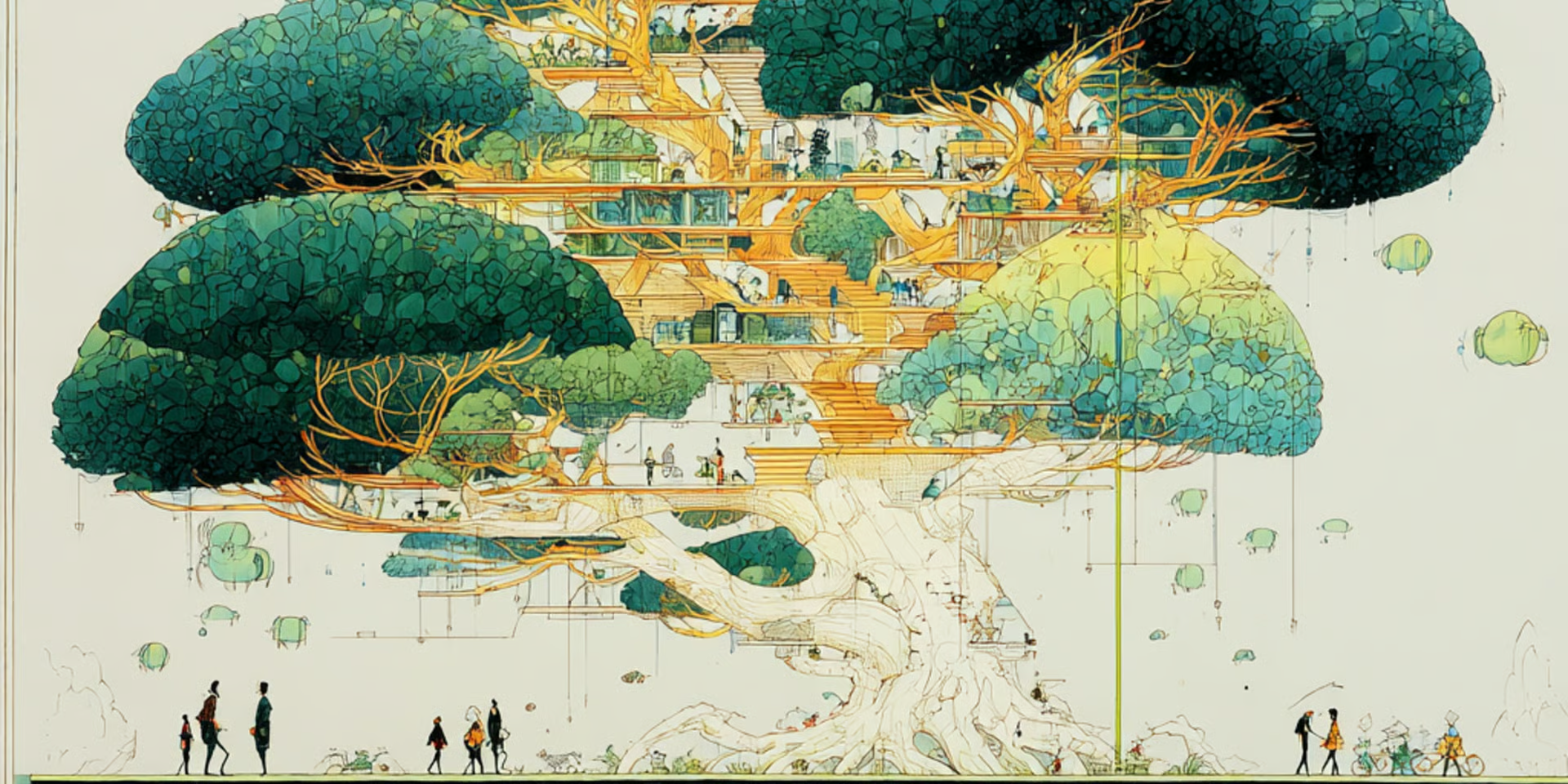
From exploration to consolidation. A year working across research, consulting, and infrastructure.
[ Read → ]
When your tools start doing the work, the constraint moves from capability to judgement.
On the organizational cost of too many tools and not enough constraints. Written as part of the Ethereum Foundation Devcon Scholar Program.
[ Read → ]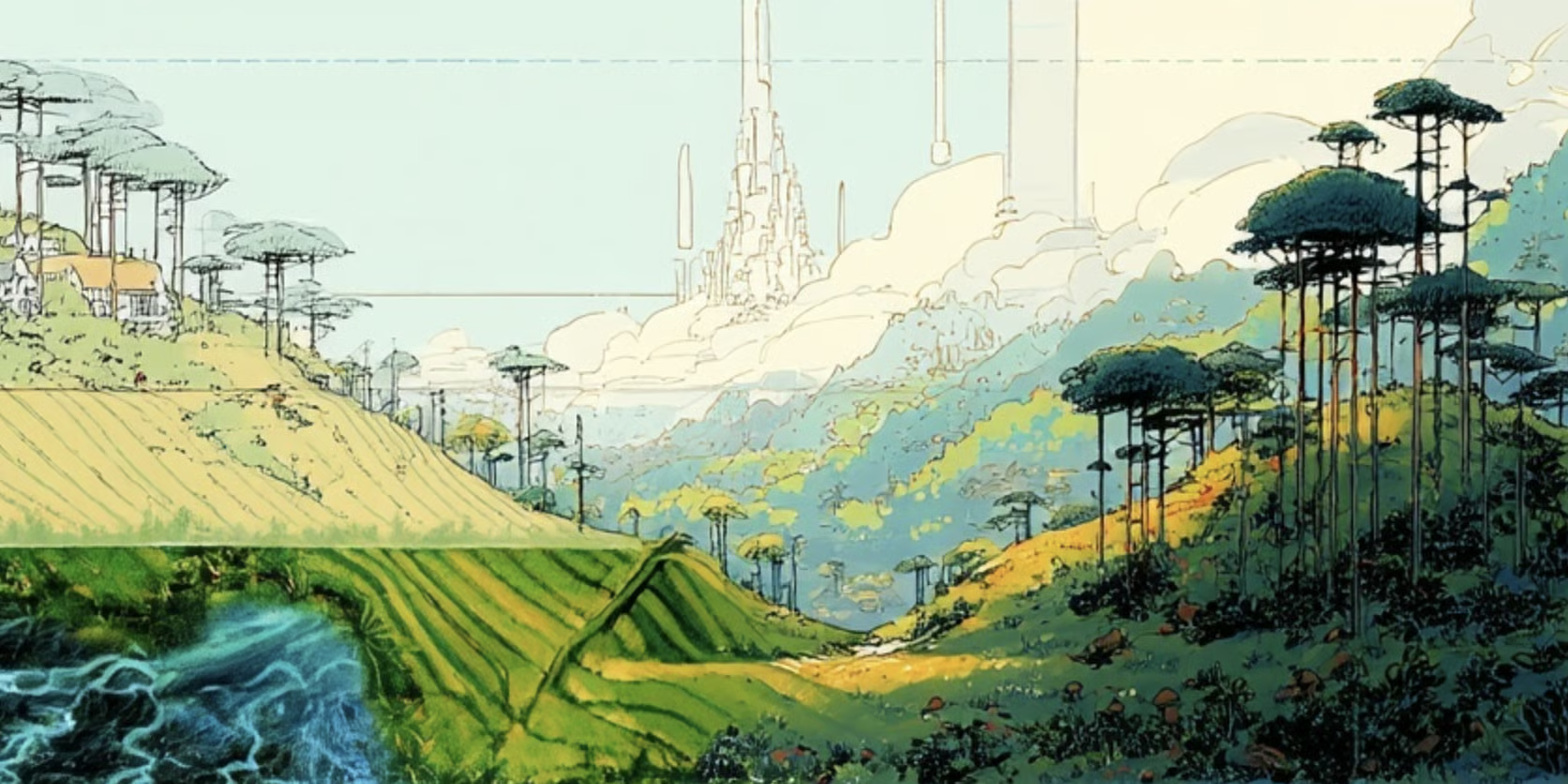
Machine-payable HTTP, intent settlement, and the physical cost of computation.
What happens when digital systems finally respond to the laws of thermodynamics and the imperative of planetary stewardship?
[ Read → ]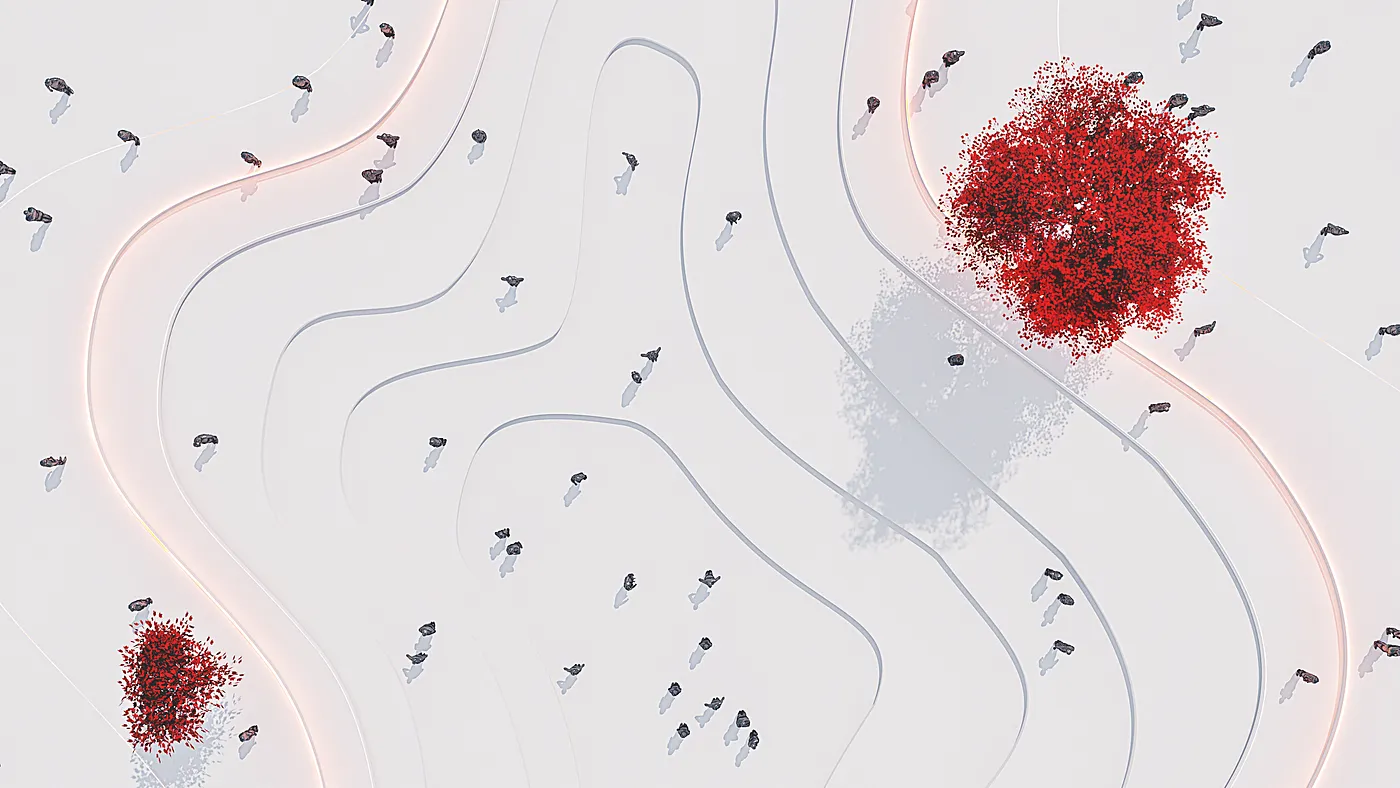
A control-network design sketch: who actually holds power in a token system.
Foundational essay on property rights, governance, and value capture in decentralized systems.
[ Read → ]Most of this work falls in a gap: teams building things institutions cannot yet evaluate, and institutions trying to evaluate things that barely exist yet. We work in that gap—we publish the research, then build the thing that proves it.
Research drops, build logs, and the occasional parliament of the nonhuman.